
CAPE TOWN — If you blinked last week, you missed the digital earthquake that was Africa Tech Festival 2025. From November 10-13, the Cape Town International Convention Centre (CTICC) transformed into a pulsating nerve center for over 15,000 tech titans, policymakers, and ambitious startups, all buzzing about AI’s African renaissance, cybersecurity challenges, and why Cape Town’s vibe remains unmatched for global innovation.
Now in its 28th year, the festival didn’t just convene the continent’s digital elite—it launched policy initiatives, sparked million-dollar deals, and concluded with a seaside celebration that had delegates tweeting “AFEST 2025: Where networking meets unforgettable experiences.”
Under the banner of “responsible and inclusive growth,” the event fused four powerhouse anchors: AfricaCom (telecommunications and connectivity), AfricaTech (enterprise innovation), AfricaIgnite (startup acceleration), and The AI Summit Cape Town (where algorithms meet African ingenuity). Aligning strategically with South Africa’s G20 Presidency, the festival amplified calls for sovereign AI development and equitable digital infrastructure, proving once again that when Africa talks tech, the world listens.
Leaders Summit: Strategic Conversations on Africa’s Competitive Edge
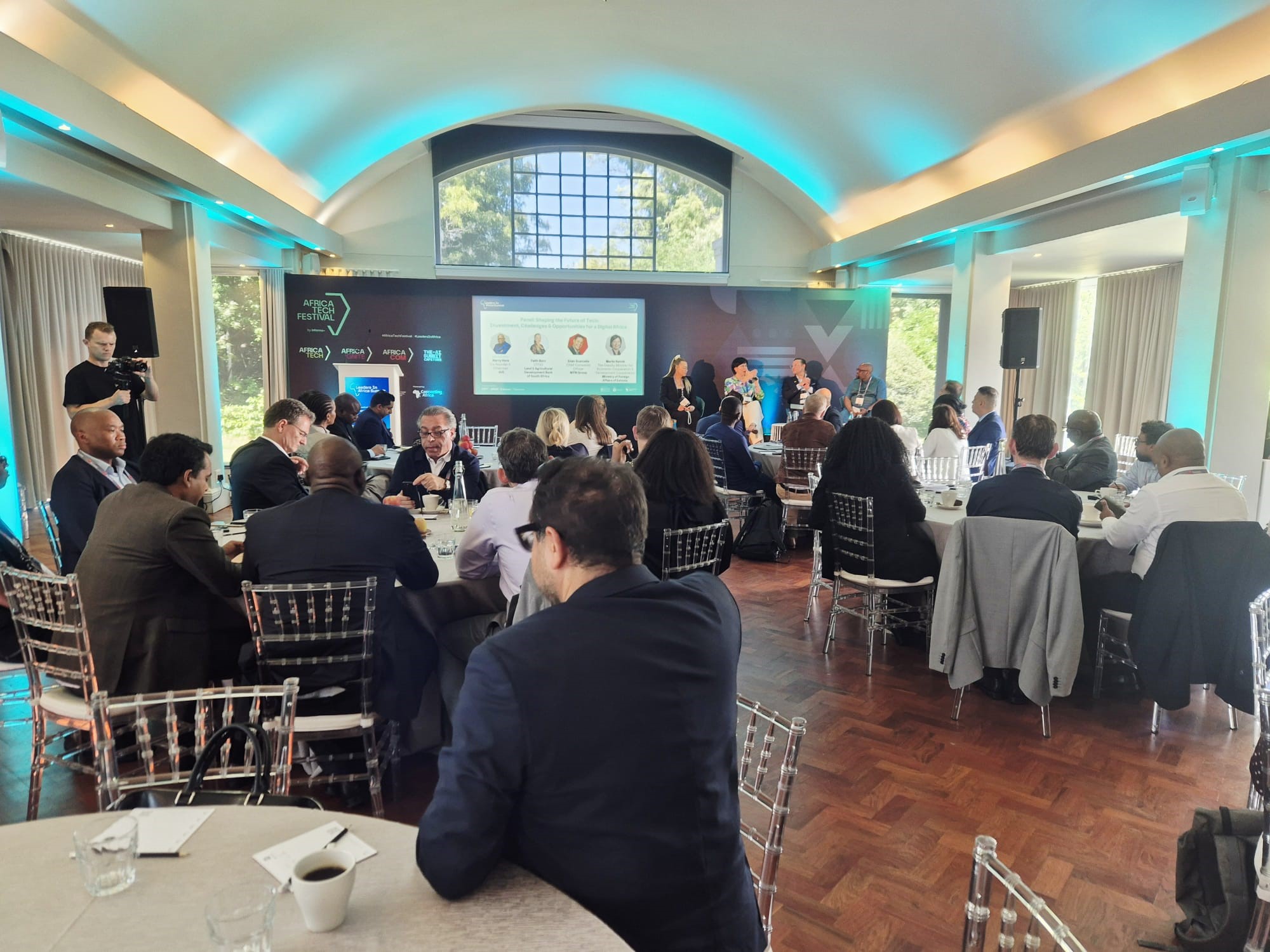
Pre-festival momentum built at the Leaders In Africa Summit on November 10 at The Forum Embassy Hill, an invite-only gathering for over 200 executives to dissect “Africa’s Competitive Edge.” Chaired by Business Unity South Africa, sessions focused on public-private partnerships, with representatives from MTN, Vodacom, Safaricom, regulatory bodies, and the African Union in attendance.
Ministerial Summit: Policy and Digital Sovereignty Take Center Stage
Kicking off the main festival on November 11, the 2nd Ministerial Summit emerged as the event’s diplomatic focal point, drawing ministers, ambassadors, and cabinet officials from across the globe for closed-door roundtables on digital sovereignty and policy frameworks.
South Africa’s Minister of Communications and Digital Technologies, Hon. Solly Malatsi, set the tone with a powerful opener: “AI isn’t a luxury—it’s Africa’s lever for leapfrogging inequality. But only if we own the code, not just the keyboards.”
Joined by Ghana’s Minister of Communications and the Deputy Minister of Estonia, the summit produced actionable agreements on cross-border data flows and AI ethics frameworks. A panel on regulatory sandboxes explored innovative approaches to governance, while discussions on blended finance for African infrastructure featured contributions from Google Africa and international diplomatic representatives.
The AI Summit Cape Town: Deep Dives into African Innovation
Over at The AI Summit Cape Town stage (November 11-13), the focus shifted to practical applications of AI across the continent. Curated by Informa Tech’s global AI series, sessions spotlighted homegrown innovations including Ethiopia’s Amharic handwriting recognition models and Ghana’s voice AI solutions for agricultural applications.
A notable keynote on November 12 featured Cassava Technologies in a fireside chat with OpenAI Africa Policy head Emmanuel, addressing concerns about data representation and bias in global AI systems. The conversation highlighted the importance of African datasets in training inclusive AI models and sparked commitments toward open-source collaboration.
A geopolitics panel featuring Ambassador Lavina Ramkissoon and the Deputy Minister of Estonia explored the intersection of technology policy and international relations, emphasizing Africa’s strategic position in global digital conversations.
Cybersecurity and Women in Tech: Addressing Critical Gaps
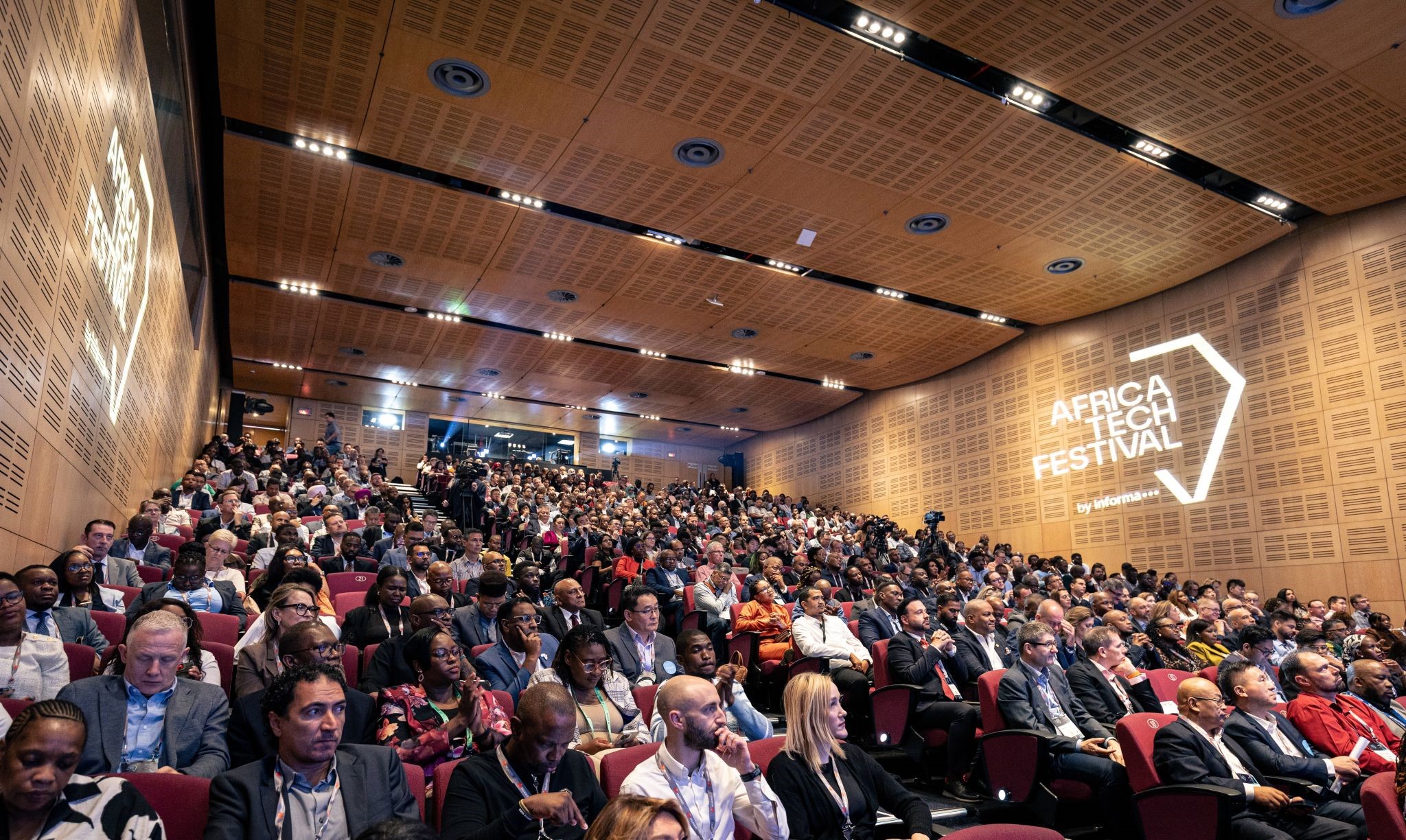
Sessions like “State of Cybersecurity in Africa: Threats, Gaps & Opportunities” (November 11) examined the infrastructure challenges facing 90% of African nations in combating cybercrime. “Empowering Women in Cybersecurity” (November 12) featured trailblazers including Nigeria’s cybersecurity leader Hadiza Umar, who addressed the importance of diversity in the field.
Additional technical sessions covered deepfake detection, augmented reality applications, and real-time threat response systems. By the summit’s conclusion, delegates had committed to developing a pan-African AI ethics code, with South Africa positioned to adopt its national AI policy and strategy ahead of G20 proceedings.
AFEST Party: Networking Beyond the Convention Center
No festival thrives on keynotes alone. The After Festival party (AFEST) on November 11 at Grand Africa Café & Beach brought together 2,000 attendees for networking against the backdrop of Table Mountain. The evening featured local cuisine, entertainment by DJ Zinhle, and the kind of informal conversations that often lead to significant partnerships.
“This isn’t just networking; it’s a celebration of Africa’s innovation ecosystem,” one attendee noted on social media. By evening’s end, discussions around a potential $20 million VC fund for AI agritech startups were reportedly underway—proof that meaningful connections happen beyond conference halls.
Looking Ahead: Africa’s Tech Trajectory
As the festival concluded on November 13, the consensus was clear: Africa Tech Festival 2025 demonstrated that the continent isn’t merely emerging—it’s actively shaping the global digital landscape.
With G20 discussions on the horizon and commitments made across policy, investment, and innovation, Cape Town’s tech community dispersed with renewed momentum. The question isn’t whether Africa will play a role in the future of technology—it’s how boldly the continent will lead.




















 and then