
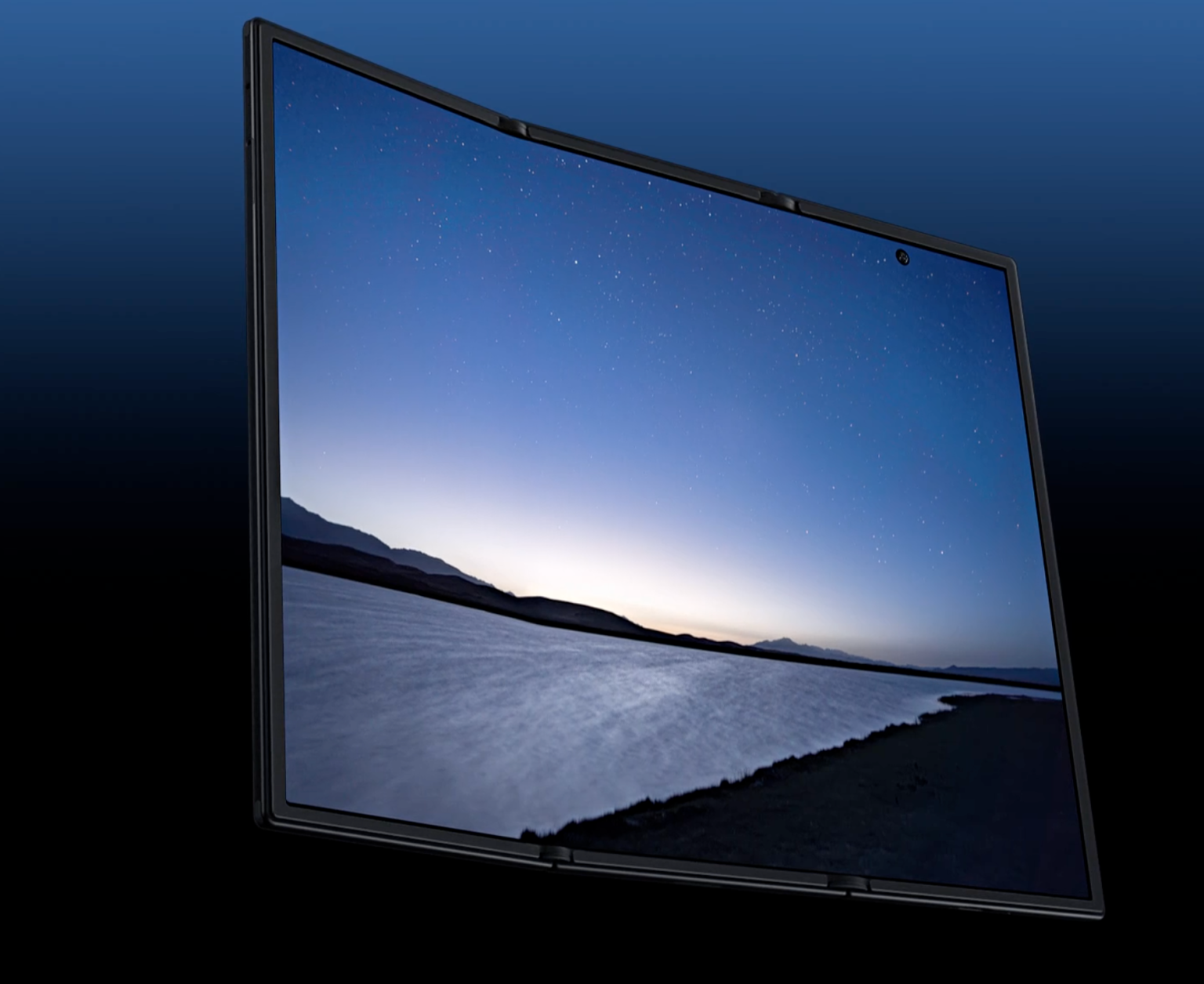
Image Credits: Samsung
Samsung is once again testing the limits of smartphone design, but this time, the conversation is not just about innovation. It is also about price.
The company’s upcoming TriFold smartphone, a device that folds in three sections instead of the traditional two, is expected to launch in the United States with a $2,899 price tag. That figure places it among the most expensive consumer smartphones ever released by a mainstream manufacturer.
While the device itself represents a technical milestone, the pricing raises important questions, especially for markets outside the US, including Africa, where premium smartphones already face significant adoption barriers.
What Makes Samsung’s TriFold Different
Samsung’s TriFold phone goes beyond the standard foldable design seen in devices like the Galaxy Z Fold series. Instead of one hinge, the TriFold uses a three-panel folding mechanism, allowing the phone to expand into a much larger display when fully unfolded.
In its open state, the device functions more like a compact tablet, offering a wide workspace for multitasking, media consumption, and productivity. When folded, it collapses into a phone-sized form factor, at least conceptually combining multiple device categories into one.
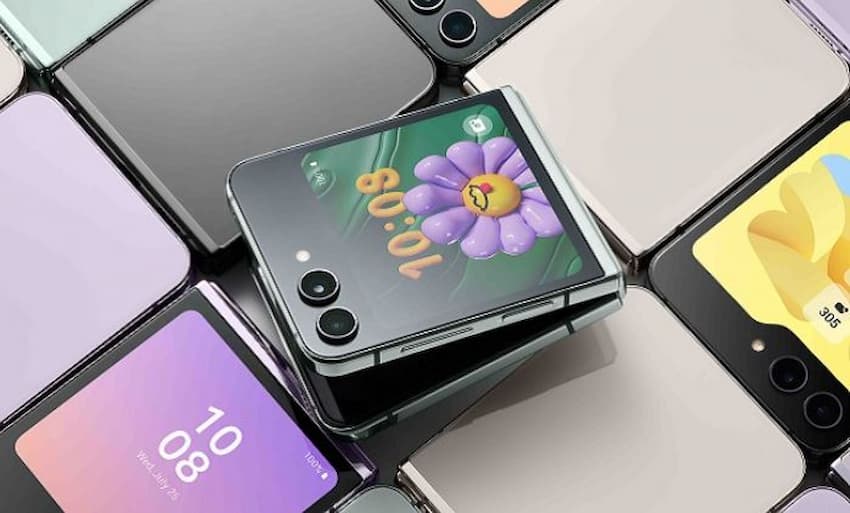
This design highlights Samsung’s long-term investment in foldable display technology, an area where the company has consistently stayed ahead of most competitors.
Why the $2,899 Price Is a Big Deal
At nearly $3,000, the TriFold is priced far above even Samsung’s existing foldable phones. For context, current flagship foldables are already considered premium devices, often costing more than most laptops.
This price immediately removes the TriFold from the mass market. It is not competing with traditional flagship smartphones or even high-end foldables. Instead, it sits in a niche category aimed at early adopters, power users, and buyers who prioritise cutting-edge hardware over affordability.
For Samsung, the pricing suggests that this device is as much about experimentation and brand positioning as it is about sales volume.
What This Price Means for African Markets
When the US price is set at $2,899, the reality for African consumers becomes even more complex.
In many African countries, smartphones already face heavy import duties, taxes, and currency conversion challenges. A device priced at $2,899 in the US could easily cross ₦5 million in Nigeria, once customs duties, VAT, distributor margins, and exchange rate pressures are factored in.
For most African consumers, that price point places the TriFold firmly out of reach. Even among high-income earners and tech enthusiasts, such a device would be considered a luxury purchase rather than a practical one.
As a result, the TriFold is unlikely to see meaningful adoption across African markets. At best, it may appear in very limited quantities through grey imports or specialised retailers targeting ultra-premium buyers.
Foldables and the African Smartphone Reality
Foldable phones are already a tough sell in Africa, even at lower price points. While interest exists, adoption is often limited by cost, durability concerns, and access to after-sales support.
A TriFold design introduces even more complexity. More hinges mean more potential failure points, and repairs for foldable devices are already expensive and difficult to access in many African countries.
For African buyers, reliability and longevity often matter more than experimental form factors. In that context, Samsung’s TriFold feels less like a practical device and more like a showcase of what is technically possible.
Software, Durability, and Long-Term Concerns
Beyond pricing, the TriFold raises important questions around usability. Android has improved significantly for foldable devices, but a three-panel design introduces new challenges for app scaling, multitasking layouts, and performance optimisation.
Durability is another concern. Foldables rely heavily on hinges and flexible displays, and adding a third fold increases mechanical complexity. For a device priced at nearly $3,000, expectations around build quality and long-term reliability will be extremely high.
These concerns become even more significant in regions where official service centres and replacement parts may be limited.
What Samsung Is Really Testing Here
From a strategic perspective, the TriFold may not be designed to sell in large numbers, especially outside major markets like the US, South Korea, and parts of Europe.
Instead, it serves as a technology demonstrator. Samsung is testing new display engineering, new hinge systems, and new use cases. The insights gained from this device are likely to influence future foldables that are smaller, simpler, and more affordable.
In that sense, African markets may not be the target today, but they could benefit indirectly as advanced features trickle down into more accessible devices over time.
What This Says About the Smartphone Industry
Samsung’s TriFold highlights a growing divide in the smartphone market. On one side, manufacturers are pushing affordable devices that offer solid performance at low cost. On the other, they are experimenting with ultra-premium, high-risk designs that redefine what a phone can be.
For African markets, this divide is especially clear. Innovation often arrives first at the very top of the price ladder, while mass adoption comes years later, once costs drop and designs mature.
The TriFold sits firmly at the experimental end of that spectrum.
The Bottom Line
Samsung’s $2,899 TriFold phone is not built for the average consumer, and it is certainly not built with African markets in mind, at least for now.
It is a bold demonstration of engineering ambition, but its price, complexity, and niche appeal make it more of a statement device than a mainstream product. For Africa, its importance lies less in sales potential and more in what it represents for the future of foldable technology.
As history has shown, today’s experimental hardware often becomes tomorrow’s standard feature. The TriFold may be too expensive for most users today, but it offers a glimpse into where smartphones could be heading next.

















 and then