
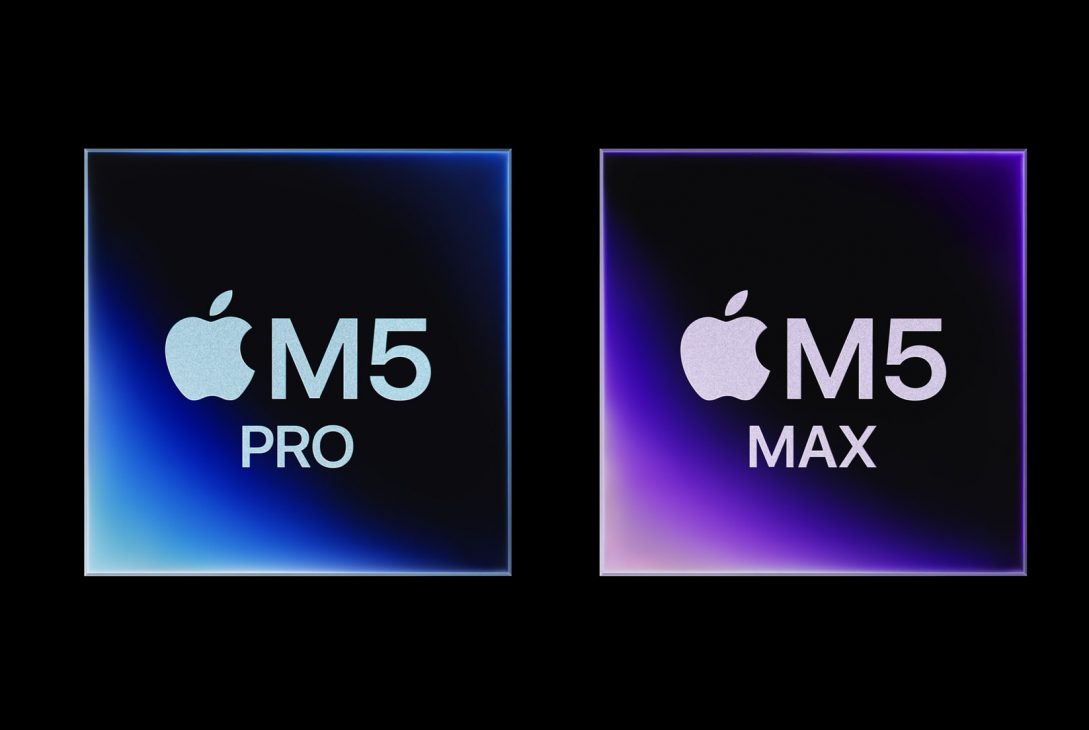
Apple just dropped its MacBook Air M5. And instead of picking some ambient electronic track or a trending pop record, the world’s most valuable tech company chose to soundtrack its launch with a 54-year-old Afrobeat song.
“Let’s Start” by Fela Anikulapo-Kuti, recorded in 1971, played behind one of the most anticipated laptop releases of 2025.
Let that sink in.
The MacBook Air M5: What Apple Was Actually Launching
Before we get deep into the Fela conversation, let’s talk about what Apple was actually putting on the table.
The MacBook Air M5 is a serious machine. It runs on Apple’s new M5 chip, a 10-core CPU with what Apple calls “super cores” and a next-generation GPU that packs a Neural Accelerator into each core. The result? Up to 4x faster AI performance compared to the M4, and 9.5x faster than the M1. That is not a small jump.
Storage gets a meaningful upgrade too. The base model now ships with 512GB, double what the previous generation started with, and you can configure it up to 4TB. Apple also swapped in a faster SSD with roughly double the read and write speeds of its predecessor.
On connectivity, the M5 Air brings Wi-Fi 7 and Bluetooth 6 through Apple’s custom N1 wireless chip, the same chip found in the latest MacBook Pro lineup. Battery life holds steady at 18 hours. The fanless aluminum design stays the same. Available in 13-inch and 15-inch models across four colors: Sky Blue, Midnight, Starlight, and Silver. Starting at $1,099.
It is, simply put, the most capable version of the world’s most popular laptop. And Apple picked a 54-year-old Afrobeat record to introduce it to the world.
Why “Let’s Start” Hits Different in This Context
Think about the kind of energy Apple usually brings to a product launch. Sleek visuals. Minimalist typography. A carefully curated soundtrack that feels futuristic or emotionally ambient.
This time, they went to Lagos, 1971.
“Let’s Start” isn’t just a song. It’s a statement. Fela wrote music that was confrontational, unapologetic, and deeply rooted in African identity at a time when that identity was being dismissed on the global stage.
For Apple, a company that sells aspiration, boldness, and thinking differently, to reach into that era and pull out that energy for a cutting-edge AI-powered laptop launch? That’s not an accident. That’s a creative director somewhere in Cupertino saying, “This is the vibe we want.”
And they were right.
The song carried the ad. Warm, rhythmic, unmistakably African. It gave the MacBook Air M5 launch a soul that most tech ads completely lack.
28 Years After His Death, the Royalties Are Still Rolling In
Here’s where it gets real.
Fela died in 1997. But his estate, his children, grandchildren, and great-grandchildren, just got a check from Apple Inc. for a global product campaign.
The internet noticed immediately. One comment that circulated said it best: “Na this man grandchildren and great-grandchildren dey enjoy all this money… MECHANICAL ROYALTIES yapa!!!”
That’s not an exaggeration. Sync licensing, the fee paid to use a song in film, TV, or advertising, can run from tens of thousands to hundreds of thousands of dollars depending on the campaign’s reach. A global Apple launch sits at the very top of that bracket.
This is what a well-managed music legacy looks like. Fela built something so original, so powerful, that decades after his death it is still being sought out by the biggest brands on the planet.
What This Moment Says About African Culture’s Global Pull
Nigeria has been having a moment for years now. Afrobeats dominating global charts, African artists selling out arenas abroad, the continent’s creative output finally getting the international recognition it always deserved.
But this Fela placement is different. This isn’t a collab or a remix or a feature. This is a legacy act, a man who has been gone for nearly three decades, soundtracking a 2025 product launch for a $3 trillion company.
It tells you something important: African cultural influence isn’t just a trend. It has roots deep enough to stretch across generations and still feel fresh.
Apple essentially confirmed what we already knew. African music doesn’t just travel. It endures.
The Bigger Takeaway for African Creatives
If there’s one thing this moment should spark, it’s a conversation about legacy, ownership, and the long game.
Fela didn’t license his music to multinationals while he was alive. He was too busy fighting the Nigerian government to think about sync deals. But the infrastructure built around his catalog after his death has ensured that his work keeps generating value.
For today’s African artists and creators, the lesson is clear: protect your work. Own your masters. Think beyond the stream count.
Because if you build something truly original, Apple might come calling. Even 50 years from now.















 and then