
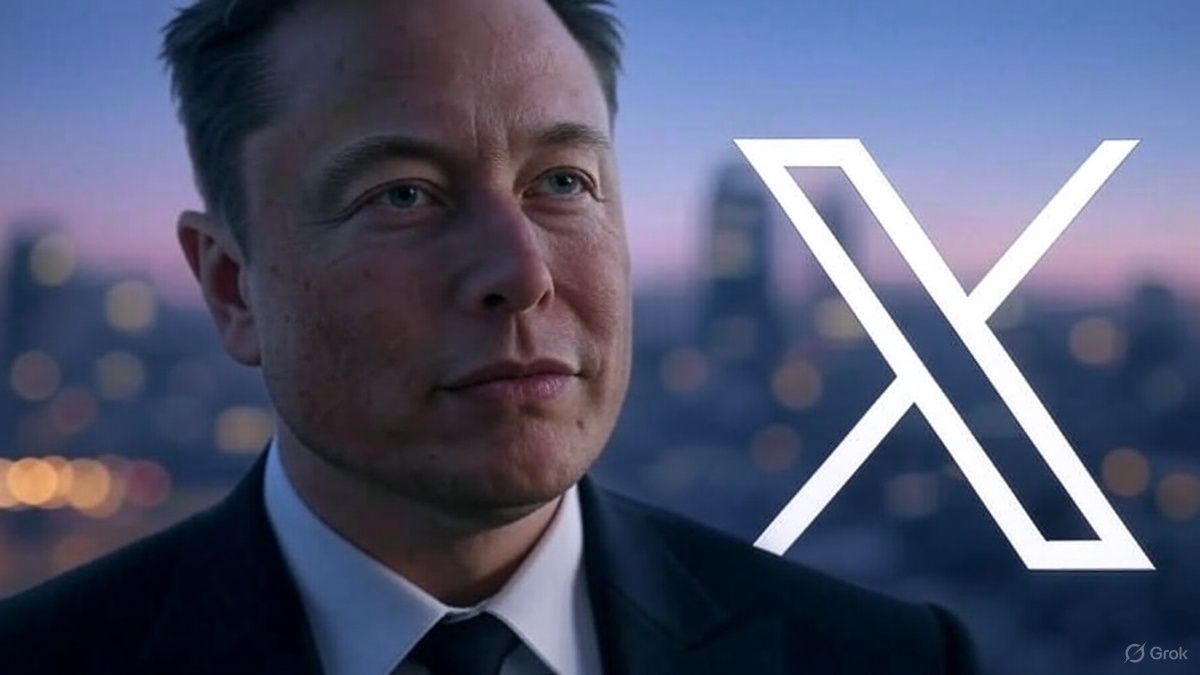
Elon Musk will not be keeping a single dollar if he wins his lawsuit against OpenAI.
On March 16, Musk posted on X: “Btw, the proceeds of any legal victory in the OpenAI case will be donated to charity. I will in no way enrich myself.” The post pulled in tens of millions of views within hours and shifted much of the conversation from the legal merits to what Musk is actually trying to accomplish here.
The jury trial begins April 28 in Oakland, California. Musk is suing OpenAI, CEO Sam Altman, co-founder Greg Brockman, and Microsoft for up to $134 billion in damages. The judge presiding over the case has already raised doubts about that number.
What Is the Lawsuit About?
Musk co-founded OpenAI in 2015 alongside Altman and others, contributing roughly $38 to $45 million over the organisation’s early years. His central argument is that OpenAI betrayed its founding nonprofit mission when it transitioned to a capped-profit structure and deepened its commercial partnership with Microsoft, which currently holds a stake in the company worth around $135 billion.
At a January 2026 hearing, Judge Yvonne Gonzalez Rogers noted there was sufficient evidence that OpenAI’s leadership had made assurances the nonprofit structure would be maintained. That finding cleared the case for trial.
The damages figure comes from Musk’s expert witness, economist C. Paul Wazzan, who argues that Musk’s early financial and non-monetary contributions accounted for between 50 and 75 percent of the value of OpenAI’s nonprofit arm. That arm holds just over a quarter of the for-profit entity, which was valued at $730 billion following a $110 billion funding round closed in February 2026.
Legal analytics firm Darrow reviewed the same facts and arrived at a very different estimate. Under conventional fraud principles, it placed Musk’s realistic recovery at between $20 and $38 million, covering the original donation plus interest. The $134 billion figure, Darrow noted, has no precedent in comparable cases.
What OpenAI Says
OpenAI has rejected all claims. The company says Musk was aware of, and at times supportive of, plans to introduce a for-profit structure as early as 2017. It also says he sought a controlling equity stake or the CEO role before leaving the organisation, both of which the other founders declined.
OpenAI has described the lawsuit as baseless and framed it as a competitive tactic by someone who now runs xAI, a direct rival to ChatGPT. A separate trade secrets lawsuit Musk’s xAI filed against OpenAI earlier this year was dismissed.
Why the Charity Pledge Is Worth Paying Attention To
The announcement landed roughly six weeks before trial, and the timing matters.
For months, OpenAI’s defence has leaned heavily on the argument that Musk is not a wronged co-founder but a competitor using litigation to slow down a rival. The charity pledge complicates that framing. It is harder to call something a money grab when the plaintiff has publicly committed to giving away everything he wins.
Musk did not name specific beneficiaries but said any funds would go toward “safe AGI development,” which mirrors OpenAI’s original stated purpose. Some observers found the pledge credible. Others pointed to a pattern of high-profile commitments from Musk that did not materialise, and noted that even without a personal payout, winning still damages a major competitor, potentially reshapes AI governance, and improves the competitive position of xAI.
What Happens at Trial
Both Altman and Brockman are expected to testify. Jurors will review internal communications including diary entries, emails, and texts exchanged during the years OpenAI was changing its structure.
One diary entry from Brockman is already part of the court record. Written in 2017, it reads: “I cannot believe that we committed to non-profit if three months later we’re doing b-corp then it was a lie.” Whether a jury treats that as evidence of deliberate fraud or a founder privately wrestling with a difficult transition will be one of the central questions of the trial.
Prediction markets as of late March put Musk’s odds of winning at between 28 and 36 percent. The trial is scheduled to run four weeks.









 and then