

Nigeria’s Federal Government has moved to review the acquisition involving IHS Towers, a decision that signals growing regulatory attention toward consolidation within the country’s telecom infrastructure space. While mergers and acquisitions have long been part of the telecom industry’s evolution, this review suggests authorities are taking a closer look at how ownership changes could reshape competition, pricing dynamics, and long-term digital infrastructure control.
The move arrives at a time when telecom networks are no longer seen as just connectivity assets. They are increasingly viewed as critical infrastructure underpinning Nigeria’s digital economy, from fintech and cloud services to e-commerce and artificial intelligence adoption.
Why the Government Is Stepping In Now
Regulatory reviews of acquisitions are not unusual, but the timing of this decision reflects broader concerns about market concentration. As tower companies expand through acquisitions, questions emerge around how much influence a single infrastructure provider should hold over network deployment, leasing costs, and service quality.
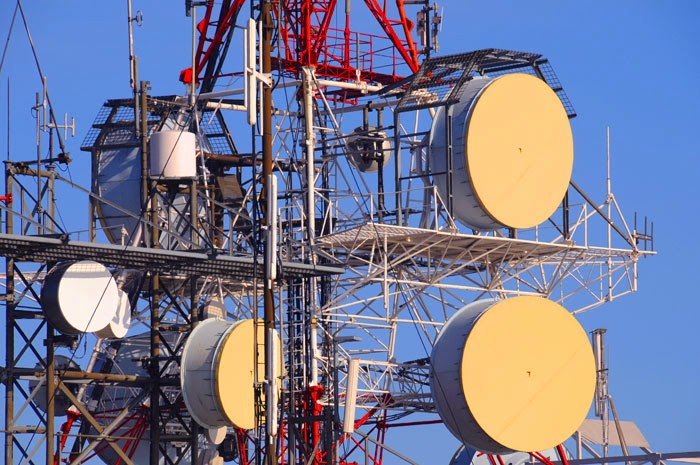
Telecom towers sit at the foundation of Nigeria’s mobile ecosystem. Operators rely on them to deliver voice and data services, while digital platforms depend on stable network infrastructure to reach users nationwide. A significant acquisition involving IHS Towers could shift the balance of power within the industry, potentially affecting how operators negotiate access to sites and how costs are passed down to consumers.
Government oversight at this stage suggests policymakers are weighing the strategic implications carefully rather than allowing structural changes to unfold without scrutiny.
Telecom Infrastructure Has Become a Strategic Asset
The telecom industry has evolved far beyond traditional voice services. Infrastructure companies now operate as key enablers of the broader digital economy. Towers support everything from mobile payments and streaming platforms to remote work tools and cloud-based applications.
This shift has elevated telecom infrastructure into a national priority. As Nigeria pushes toward deeper digital transformation, regulators appear increasingly aware that ownership structures within the sector can influence innovation, investment, and market stability.
The review of the IHS acquisition reflects this mindset. Instead of focusing solely on financial terms, authorities are likely examining how the deal aligns with national goals around connectivity expansion, affordability, and competitive balance.
What Regulators May Be Assessing
Although detailed parameters of the review have not been publicly outlined, industry observers expect regulators to examine several key areas. One likely focus is market competition, particularly whether the acquisition could reduce alternatives for mobile operators seeking tower access. Another area is pricing dynamics, since tower leasing costs can directly affect the cost of mobile data and services.
Authorities may also assess infrastructure expansion commitments. Deals of this scale often come with expectations around rural coverage, network resilience, and long-term investment in underserved regions. Ensuring that acquisitions contribute to national connectivity goals rather than simply consolidating assets will likely be a central theme of the review.
Finally, governance and regulatory compliance may come under scrutiny. As telecom infrastructure becomes more complex and interconnected, oversight bodies are paying closer attention to transparency, operational accountability, and alignment with national telecom policies.
A Wider Pattern of Stronger Telecom Oversight
The review fits into a broader pattern of increased regulatory activity within Nigeria’s communications sector. Policymakers are reexamining long-standing frameworks as the industry transitions from basic connectivity toward a digital services ecosystem.
Across global markets, governments are reassessing how infrastructure ownership affects competition and innovation. Nigeria’s approach mirrors this trend, signaling that telecom consolidation will face deeper analysis moving forward. Rather than viewing acquisitions purely as business decisions, regulators are framing them within a larger conversation about digital sovereignty and long-term economic resilience.
For operators and investors, this evolving regulatory environment introduces both uncertainty and clarity. While additional scrutiny may slow approval timelines, it also provides a clearer framework for how future deals will be evaluated.
What This Means for Nigeria’s Digital Economy
The outcome of the review could influence how telecom infrastructure develops over the next decade. A carefully structured acquisition might accelerate network expansion and strengthen investment confidence. On the other hand, stricter conditions or adjustments to the deal could reshape how tower companies approach growth strategies in the Nigerian market.
For consumers, the implications may not be immediately visible, but they are significant. Infrastructure decisions often determine the speed, reliability, and affordability of mobile connectivity. As Nigeria continues to build its digital economy, the balance between consolidation and competition will play a major role in shaping user experience.
The Bigger Picture
The Federal Government’s decision to review the IHS Towers acquisition highlights a broader shift in how Nigeria views telecom infrastructure. What was once considered a behind-the-scenes component of the industry is now recognized as a strategic pillar of national development.
As data demand rises and digital services expand, ownership structures within telecom infrastructure will likely face more frequent scrutiny. The review sends a clear message that growth in Nigeria’s telecom sector will increasingly be evaluated through the lens of long-term national impact rather than short-term business gains.
Whether the acquisition ultimately proceeds unchanged or under revised conditions, the process itself marks an important moment. Nigeria is signaling that the future of its digital infrastructure is too critical to be shaped without careful oversight.





















 and then