
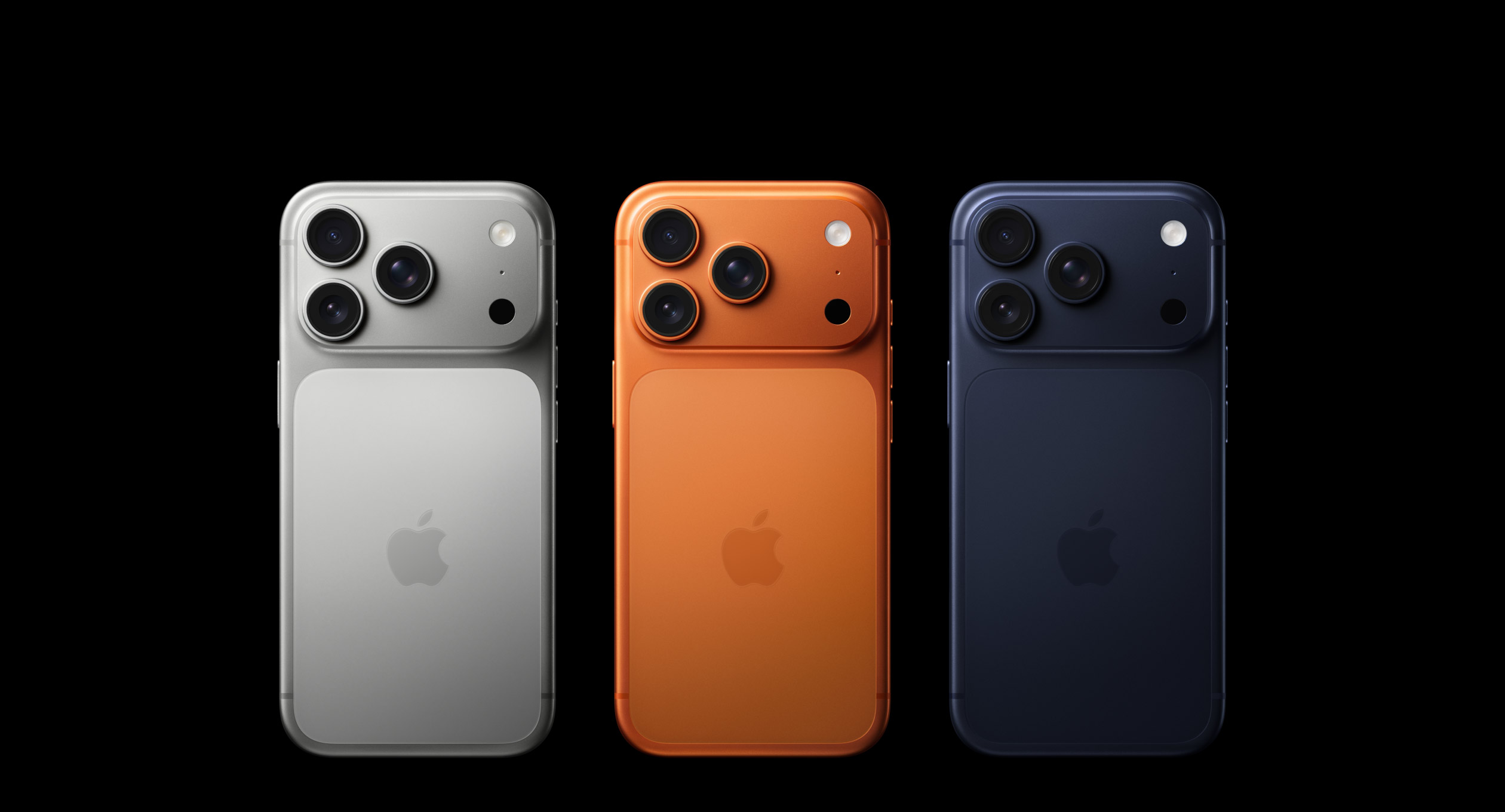
iPhone 17 series
Apple launched the iPhone 17 series today, and I’ll cut to the chase — these are the most expensive iPhones we’ve ever seen, with price increases across the board that Apple is trying to justify with incremental upgrades and one genuinely interesting new model. After spending time with the lineup, here’s what you actually need to know before you hand over your money.
The iPhone 17 starts at $799, which sounds reasonable until you realize it’s the same price as last year’s base model with roughly the same features. The iPhone 17 Pro jumps to $1,099 — a $100 increase that Apple justifies by doubling base storage to 256GB. That’s not generosity; that’s Apple finally admitting 128GB was never enough for a “Pro” device in 2025.
But the real story here is the iPhone Air at $999. It’s the first genuinely different iPhone design we’ve seen in years, and it’s either going to be brilliant or an expensive mistake.
The iPhone Air is the risk that might pay off
Having reviewed it over the past week, it’s the kind of product that makes you rethink what you want from a smartphone. At 6.5 inches, it’s larger than the base iPhone 17 but significantly thinner and lighter than anything Apple has made before.
The titanium construction isn’t just about premium materials — it’s functional. This phone feels almost impossibly light in your hand, which changes how you use it. I found myself reaching for it more often throughout the day simply because it doesn’t feel like a burden in your pocket.
That’s not to say it’s perfect. The ultra-thin profile means compromises. Battery life is adequate but not exceptional, and wireless charging is slower than other models in the lineup. Apple had to make trade-offs to achieve this form factor, and whether they’re acceptable depends on your priorities.
If you’re someone who values portability above all else and doesn’t mind charging slightly more frequently, the iPhone Air is genuinely compelling. If you need maximum battery life or plan to use your phone heavily for gaming or video, look elsewhere.
Price increases that are hard to swallow
Let’s talk about what Apple isn’t telling you about these price increases. The iPhone 17 Pro at $1,099 doesn’t suddenly offer $100 more value than last year’s model. Yes, you get more base storage, but storage costs Apple pennies per gigabyte. This is about improving margins, not improving your experience.
The iPhone 17 Pro Max, starting at $1,199 for what’s essentially a larger screen, feels particularly tone-deaf when flagship Android phones offer similar or better features for hundreds less. Apple can charge these prices because they know people will pay them, not because the value proposition makes sense.
I’ve been covering Apple launches for years, and this feels like the company testing how much the market will bear. If you’re upgrading from an iPhone 14 or newer, the improvements don’t justify the cost for most people.
What’s actually new vs. marketing fluff
Apple loves to present evolutionary upgrades as revolutionary breakthroughs. Here’s what actually matters:
The cameras are better, but if you weren’t dissatisfied with your iPhone 15 or 16 photos, you won’t notice the difference. The 48MP “Fusion” camera system is the same sensor with better computational photography — impressive if you pixel-peep, irrelevant for Instagram.
iOS 26’s “Liquid Glass” design is a visual refresh that looks nice but doesn’t change how you use your phone. The enhanced Apple Intelligence features are more useful than last year’s AI additions, but they’re still not compelling enough to justify an upgrade by themselves.
Battery life improvements are real but modest. If your current iPhone gets you through the day, these will too — with maybe an hour or two extra. Not exactly revolutionary.
The ecosystem play is stronger than ever.
Where Apple continues to excel is in integration. The new Apple Watch Series 11 with hypertension monitoring actually provides meaningful health insights, and the AirPods Pro 3 with real-time translation is genuinely useful if you travel internationally.
But here’s the thing — these accessories work with older iPhones too. You don’t need to spend $1,000+ on a new phone to benefit from Apple’s best new features.
The trade-in values are decent if you have a recent iPhone, but they’re calculated to encourage upgrades, not provide fair market value. Check third-party selling options before committing to Apple’s trade-in program.
Should you buy an iPhone 17?
It depends on what you’re upgrading from and what you actually need. If you have an iPhone 14 or newer, skip this generation unless you’re specifically drawn to the iPhone Air’s unique form factor or you’re a heavy user who needs the Pro Max’s larger battery.
The iPhone Air is the only model that offers something meaningfully different from what Apple already sells. It’s expensive for what it is, but it’s also the most interesting iPhone design in years. If portability is your priority and you don’t mind the trade-offs, it’s worth considering.
For everyone else, these price increases are hard to recommend. Apple is betting that ecosystem lock-in and brand loyalty will overcome rational pricing considerations. Unfortunately for consumers, they’re probably right.
The iPhone 17 series isn’t bad — it’s just expensive for what amounts to incremental improvements wrapped in premium materials and marketing speak. Unless you have specific needs that these phones uniquely address, your money might be better spent elsewhere.

















 and then