
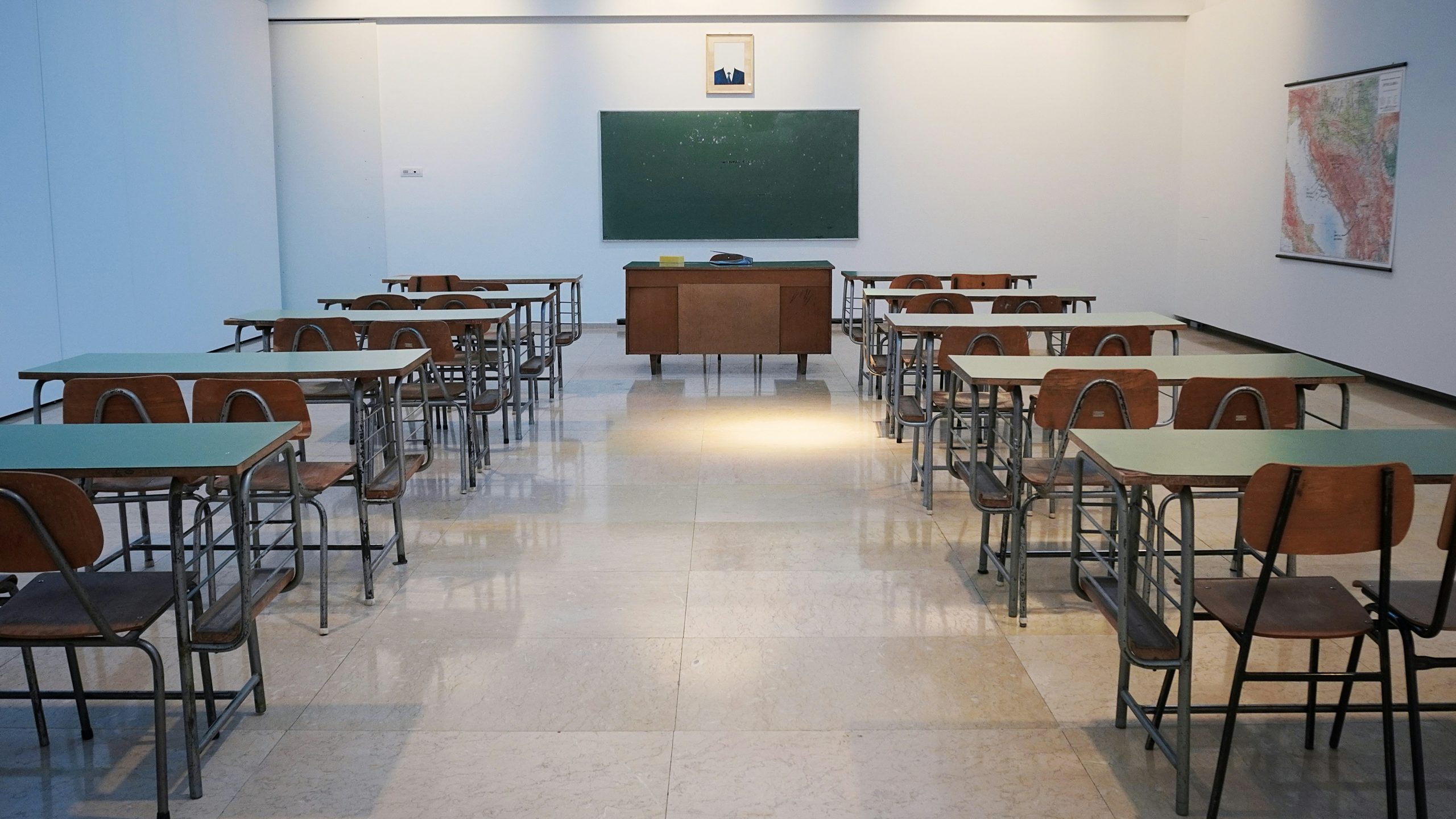
Photo by Ivan Aleksic on Unsplash
South Africa has entered a new era of educational technology with the launch of IRIS, the nation’s first AI-powered teaching robot. The unveiling took place in Durban, led by Deputy Minister of Science, Technology, and Innovation, Nomalungelo Gina. Developed by Thandoh Gumede, IRIS is designed to support teachers, enhance learning, and make quality education more accessible across the country.
What Makes IRIS Unique
Comprehensive Subject Coverage
IRIS is programmed to teach all subjects, ranging from Grade R to tertiary level, making it suitable for learners at every stage of their academic journey.
Multilingual Communication
The robot supports all 11 official South African languages, allowing learners to engage in their mother tongue. Instead of relying solely on text, IRIS uses voice-based prompts, making lessons interactive and accessible.
Interactive Learning
Equipped with custom software and a keyboard, IRIS allows learners to ask questions and receive clear, real-time answers. For example, during the launch, a learner asked IRIS to explain the depreciation method in accounting. The robot provided both a definition and practical examples, demonstrating its teaching ability.
The Vision Behind IRIS
IRIS was developed by BSG Technologies, founded by Gumede, who hails from KwaMnqobokazi in KwaZulu-Natal. Gumede explained that the project was inspired by her own teaching experiences and the challenges faced by educators in under-resourced schools.
Her mission is not to replace teachers but to empower them by reducing workload, improving access to resources, and bridging gaps in critical subjects such as mathematics and science.
Government Backing and Endorsement
Deputy Minister Gina praised the innovation, noting that IRIS could play a crucial role in rural areas, where teacher shortages and lack of resources often limit learning outcomes.
She emphasized that:
-
Science and technology must be inclusive.
-
Women and youth should take advantage of government programs such as Women in Technology and Innovation and Grassroots Innovation.
-
Teachers will be trained to integrate IRIS into classrooms, ensuring it works as a supportive tool rather than a replacement.
Women Leading in AI Innovation
Thandoh Gumede, who has been nicknamed “Mamaka IRIS,” has already gained international recognition. She won Miss Tech Universe 2024–2025 in Thailand and holds multiple global awards for innovation. Her leadership in AI reflects the growing role of women in shaping Africa’s tech landscape.
Potential Impact on South Africa’s Education System
1. Bridging the Rural-Urban Divide
IRIS could provide consistent, high-quality education in remote communities where skilled teachers are scarce.
2. Boosting STEM Education
By simplifying complex topics in maths and science, the robot can help nurture a generation better prepared for careers in technology and engineering.
3. Supporting Multilingual Learning
Learners can study in their own language, improving comprehension and reducing dropout rates.
4. Teacher Support
By handling repetitive explanations and lessons, IRIS frees up teachers to focus on personalized guidance and classroom management.
Rollout Plans and Future Expansion
Gumede confirmed that partnerships are being developed to scale IRIS nationally by October 2025. This rollout will involve training educators, deploying robots in both urban and rural schools, and continuously upgrading the AI to reflect curriculum changes.
Summary Table: IRIS at a Glance
| Feature | Details |
|---|---|
| Subjects | Grade R to tertiary level |
| Languages | 11 official South African languages |
| Interaction | Voice-based prompts, keyboard-enabled |
| Developer | Thandoh Gumede, BSG Technologies |
| Role | Enhances teaching, not a replacement |
| Launch Location | Durban, South Africa |
| National Rollout | Expected October 2025 |
Conclusion: A Leap Toward Inclusive Digital Education
The launch of IRIS marks a turning point for education in South Africa. By combining artificial intelligence with multilingual accessibility, IRIS could reduce long-standing inequalities in the education system.
For learners, it offers affordable, interactive, and personalized education. For teachers, it provides a reliable partner to ease workload and improve outcomes. For the country, it represents a step closer to a digitally empowered future.
















 and then