
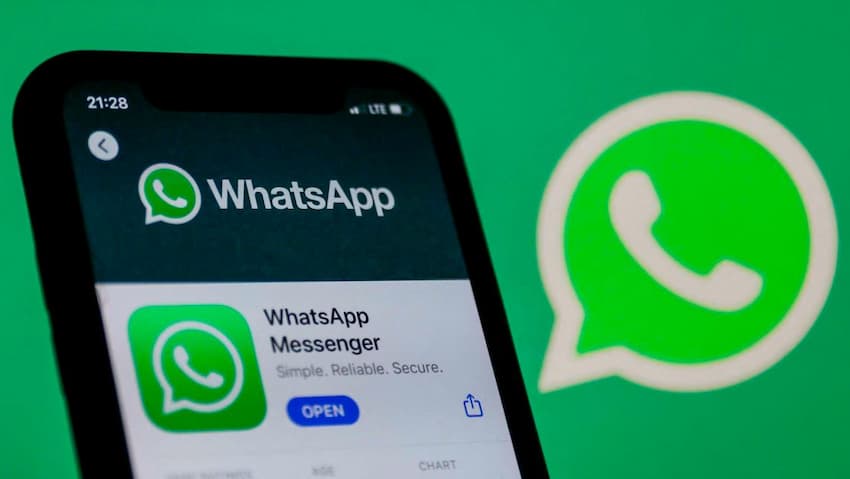
WhatsApp has been free since 2016. That is about to get more complicated.
Meta confirmed on April 20, 2026, that it is testing WhatsApp Plus, an optional paid subscription tier for the world’s most used messaging app. The test is live in limited markets right now, and if it rolls out globally, it will be the first time regular WhatsApp users pay for features since the app dropped its $1 annual fee a decade ago.
Here is what the subscription includes, what it costs, and what it means for WhatsApp’s three billion users.
What Is WhatsApp Plus?
WhatsApp Plus is an optional, paid upgrade to the standard WhatsApp app. It does not replace the free version. You can still message, call, and share files without paying anything. The Plus tier sits on top of that, offering extra features for users who want more customization and organization tools.
Meta has been open about what it is building. In an official statement, a company spokesperson said: “WhatsApp Plus is designed for users who want more ways to organize and personalize their experience. Premium features include expanded pinned chats, custom lists, new chat themes, and more. We’re starting with a small test to gather feedback and ensure we’re building something people find genuinely valuable.”
WhatsApp Plus Features
According to WABetaInfo, which first spotted references to the subscription in WhatsApp beta version 2.26.4.8, the Plus plan includes the following:
Pin up to 20 chats. Free users can currently pin only three conversations to the top of their inbox. Subscribers get 20 slots, which is genuinely useful if you manage both personal and work chats in the same account.
18 color themes. The app’s signature green gets replaced by your choice of accent color, including Royal Purple, Forest Green, Coral Orange, and Deep Navy. The selected color applies across the entire app interface.
Custom app icons. Fourteen new icon designs to replace the standard WhatsApp logo on your home screen.
Animated sticker packs. Exclusive sticker packs with full-screen overlay animations, unavailable to free users.
Custom lists and chat organization tools. Additional ways to sort and filter conversations beyond the standard options.
Exclusive ringtones. New notification and ringtone options not available on the free tier.
These are mostly cosmetic and organizational upgrades. WhatsApp is not locking core messaging features behind a paywall.
WhatsApp Plus Price
Meta has not announced official global pricing yet. However, WABetaInfo reports that early test pricing shows €2.49 per month in Europe and 229 PKR (roughly $0.82) in Pakistan. A one-month free trial is also being offered to early testers.
For context, that pricing would put WhatsApp Plus in the same range as Telegram Premium, which runs $4.99 per month, and below Snapchat+, which starts at $3.99 per month.
Why Is Meta Doing This Now?
Meta has been moving toward subscription revenue across all its platforms. In January 2026, the company confirmed it was developing premium tiers for Instagram, Facebook, and WhatsApp as part of a broader push to reduce its reliance on digital advertising.
WhatsApp’s business-side revenue has already been growing fast. During Meta’s Q4 2025 earnings call, the company reported that WhatsApp’s revenue crossed a $2 billion annualized run-rate, driven largely by paid messaging tools for businesses. The consumer subscription is an additional layer on top of that.
Snapchat’s success with Snapchat+ appears to be part of the calculation. The feature-based subscription has topped 16 million paying subscribers and continues to grow, proving that users will pay for messaging app upgrades if the features feel worth it.
Will This Affect African and Nigerian Users?
WhatsApp is the dominant messaging platform across Africa, and Nigeria is one of its largest markets on the continent. The free core product is not changing, so day-to-day messaging, voice calls, and video calls remain unaffected.
The premium tier, when it eventually reaches the region, will likely be priced to match local purchasing power. The Pakistan pricing of under $1 per month gives a reasonable reference point for what emerging market pricing might look like.
For now, the test is limited. Most users will not see the WhatsApp Plus option yet.
How to Join the WhatsApp Plus Waitlist
WhatsApp has been sending in-app notifications to select users in beta versions of the Android app inviting them to join a waitlist for early access. If you have received one of these notifications, you can sign up directly within the app. Global availability is expected later in 2026.
The Bottom Line
WhatsApp Plus is real, it is being tested right now, and it is coming. Whether it is worth paying for depends entirely on how much you value color themes and a longer pinned chats list. For most users, the free version will remain perfectly functional.
What is more interesting is what this signals about where Meta is taking WhatsApp long term. A company that built its messaging empire on being free is now betting that enough users will pay for extras. Given Telegram and Snapchat’s experience, that bet is probably right.wha
















 and then