
Johannesburg, South Africa – November 2025
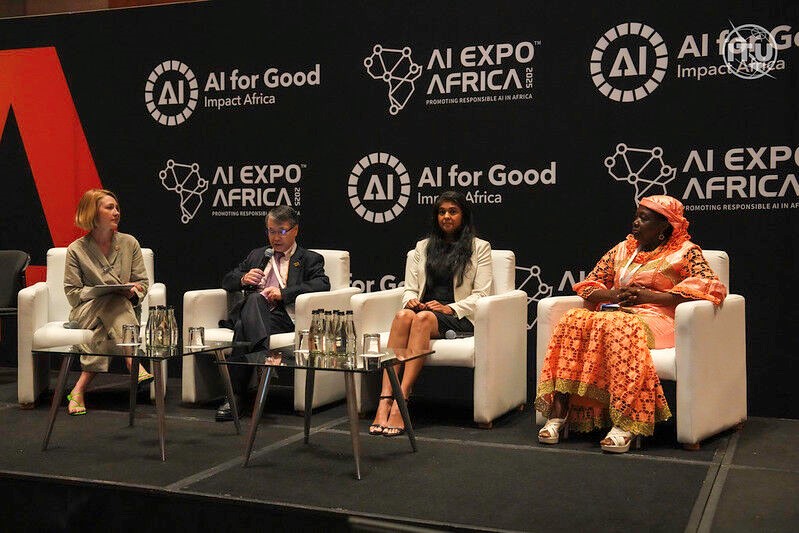
“How do we ensure AI never becomes something that advances or perpetuates inequality?” That was the central question echoing through the halls of the Sandton Convention Centre last week as hundreds of African tech leaders, policymakers, innovators, and global experts gathered for #AIforGood Impact Africa 2025.
Organized by the International Telecommunication Union (ITU) in partnership with the South African Department of Communications and Digital Technologies, the two-day summit wasn’t just another conference—it was a deliberate effort to place African voices, needs, and talent at the centre of the global AI conversation.
“AI can either widen the gap or become the greatest equalizer we have ever had,” said Thomas Basikolo, ITU’s AI for Good Regional Coordinator for Africa, in his opening remarks. “Today we choose the second path.”
Concrete action followed the rhetoric.
Key Initiatives Launched
The Innovate for Impact Report 2025 – A continent-wide showcase of grassroots AI projects tackling everything from climate-resilient farming in Kenya to maternal health diagnostics in rural Nigeria. The report spotlights individuals and teams proving that world-class innovation doesn’t require a Silicon Valley address.
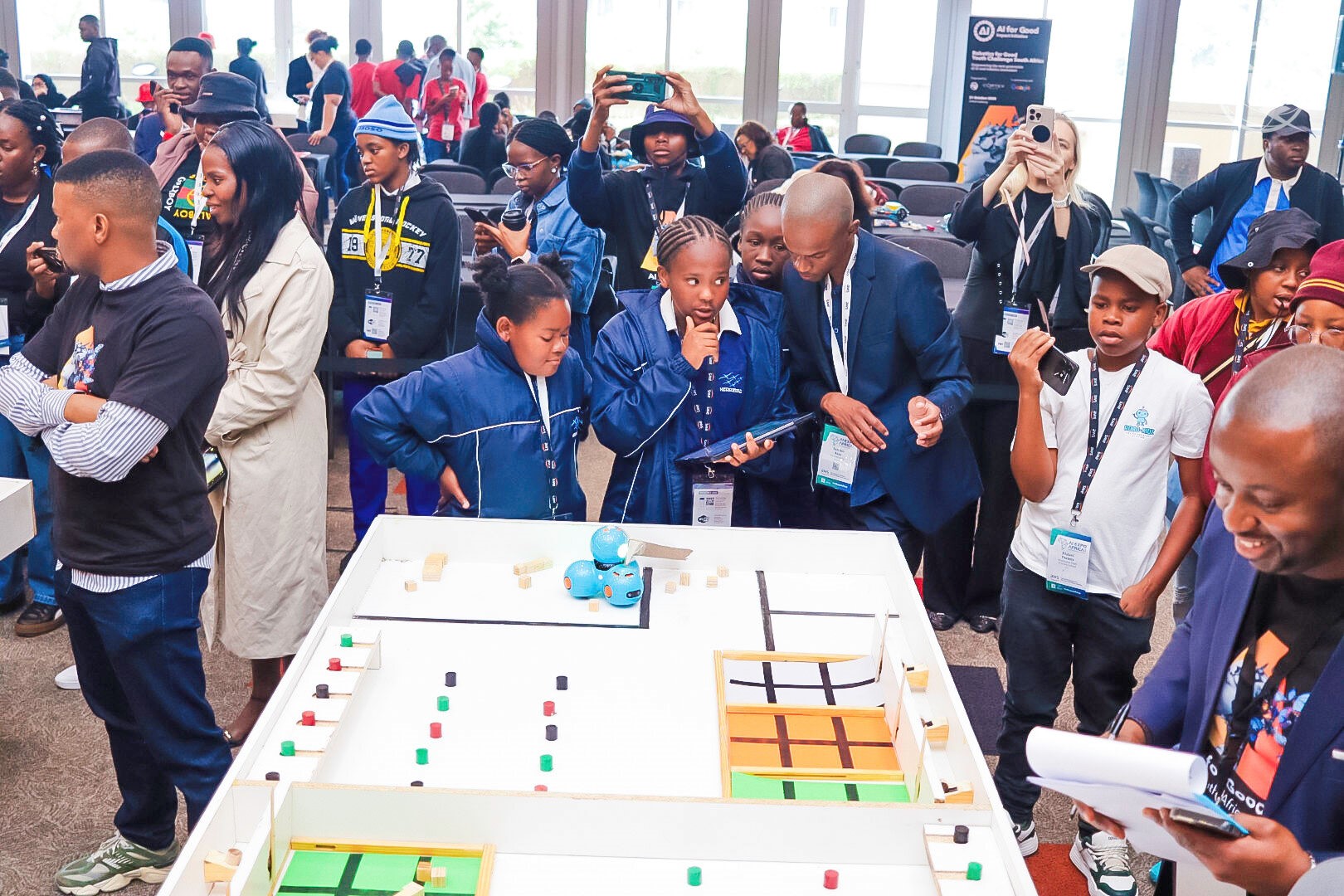
AI & Robotics Youth Training Programme – This major initiative, backed by Google, will.i.am’s FYI.AI foundation, and ITU’s Giga school-connectivity program, will train thousands of African students in coding, robotics, and machine learning fundamentals. The multi-year rollout features curricula customized for local languages and contexts.
“Your Voice, Your Device, Your Language” Machine-Learning Challenge – This competition calls on developers worldwide to build an offline-capable Kiswahili Automatic Speech Recognition (ASR) model that works in noisy, low-resource environments. With over 100 million native speakers and tens of millions more using it as a lingua franca, a robust open-source Kiswahili ASR could unlock voice interfaces for everything from education apps to agricultural market-price alerts.
The energy in the room was unmistakable. From teenage robotics champions demonstrating their solar-powered crop-monitoring bots to government officials signing letters of intent for national AI-skilling strategies, the summit felt less like a talking shop and more like the starting gun for a broader movement.
A highlights reel is in the works, and the initiatives launched in Johannesburg are already scaling. The report was unveiled during Ambassador Lavina Ramkissoon’s keynote address. Registration for the youth programme opens next month, the ML challenge prize pool is live, and the Innovate for Impact Report is available for download now.
If last week proved anything, it’s this: an inclusive AI future isn’t a hopeful slogan—it’s a set of decisions being made right now, on the African continent, by Africans and their allies.
The question is no longer whether AI can work for Africa. It’s whether the rest of the world is ready to keep up.
#AIforGood #ImpactAfrica2025
ITU – AI for Good


















 and then