
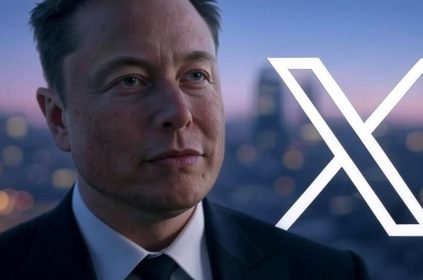
A California jury has dealt Elon Musk a crushing defeat in his long-running legal battle against OpenAI and Sam Altman, dismissing all claims on procedural grounds without ever touching the merits.
The verdict came fast. On Monday, May 18, a federal jury in Oakland, California spent less than two hours deliberating before unanimously ruling against Elon Musk in his lawsuit against OpenAI. No debate over whether Sam Altman “stole a charity.” No ruling on whether OpenAI betrayed its nonprofit roots. The jury found something simpler and more devastating: Musk waited too long to sue.
Judge Yvonne Gonzalez Rogers accepted the jury’s finding and confirmed the dismissal from the bench. “I think that there’s a substantial amount of evidence to support the jury’s finding,” she said, adding that she was prepared to dismiss the case outright before the verdict even came in.
What the Lawsuit Was About
Musk filed suit in February 2024, alleging that OpenAI CEO Sam Altman and company president Greg Brockman had “stolen a charity” by steering the AI lab away from its original nonprofit mission toward a for-profit structure that personally enriched them.
He was one of OpenAI’s co-founders and early backers, contributing around $38 million to the organisation in its early years. In his view, the company he helped build had been quietly converted into a commercial enterprise that benefited its insiders at the expense of humanity, the stated mission in OpenAI’s founding documents.
Had the jury sided with him, the consequences would have been significant. OpenAI and Microsoft, a major investor, could have been forced to hand over up to $150 billion into OpenAI’s nonprofit foundation. Altman and Brockman faced potential removal from their roles. The entire for-profit structure could have been unwound.
None of that will happen now.
Why He Lost
The jury’s ruling did not address whether Musk’s underlying claims were true or false. The case was thrown out on the statute of limitations, a legal rule that bars lawsuits filed too long after the alleged wrongdoing occurred.
OpenAI’s legal team had argued throughout the trial that whatever grievances Musk had, he had known about them for years before finally filing suit. The jury agreed.
Jurors also ruled that Musk’s charitable trust claims against OpenAI, Altman, Brockman, and Microsoft were similarly time-barred.
Reactions
Musk did not take the verdict quietly. He called it a “terrible precedent” and insisted on social media that the ruling was purely a “calendar technicality,” not a verdict on the facts. “There is no question to anyone following the case in detail that Altman and Brockman did in fact enrich themselves by stealing a charity,” he wrote. His attorney Marc Toberoff was blunt: “This one is not over. I can sum it up in one word: appeal.”
Sam Altman saw things differently. He said the verdict confirmed that the lawsuit was “a hypocritical attempt to sabotage a competitor and to overcome a long history of very bad predictions about what OpenAI has been and will become.”
OpenAI’s legal team had consistently maintained that the company’s nonprofit mission had not changed, that its board still governs with that mission in mind, and that Musk’s grievances were motivated more by competitive rivalry (he runs his own AI company, xAI) than by genuine concern for humanity.
What Comes Next
Musk has made clear he intends to appeal, so this legal saga is unlikely to end here. His attorney’s confidence suggests they believe procedural grounds will not hold up on review, and that the substantive questions, whether OpenAI’s conversion to a hybrid for-profit model was lawful and whether Altman enriched himself improperly, deserve a full hearing.
For OpenAI, the verdict buys breathing room. The company is in the middle of a major structural transition, moving further toward a fully for-profit model as it seeks to raise capital at a valuation that has reportedly exceeded $300 billion. A verdict forcing it to disgorge assets into a nonprofit shell would have been catastrophic for those plans.
For the broader AI industry, the trial raised questions that a statute of limitations ruling simply does not answer: Who controls powerful AI companies? Who benefits from their profits? And what does it actually mean for an AI lab to operate “for the benefit of humanity”?
Those questions will outlast this courtroom.















 and then